

5.0 · 276 Google reviews
Top Signs Your Air Conditioner Needs Repair
Family-owned
24/7 Emergency Repairs
Licensed · CAC1821751
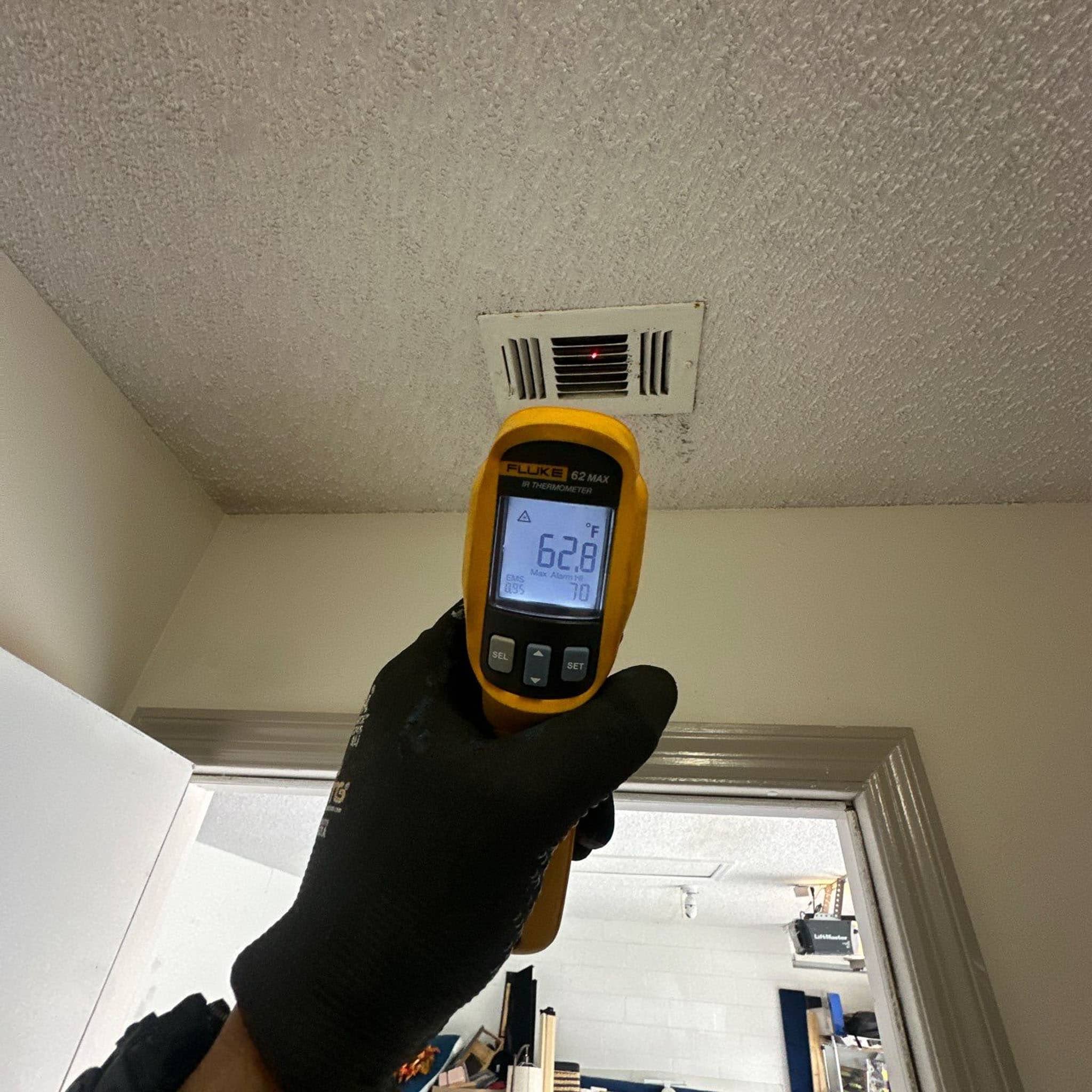
Your air conditioner doesn’t need to completely break down to signal that something’s wrong. In fact, most serious HVAC issues start with subtle symptoms that homeowners either overlook or don’t recognize until it’s too late. By catching these early warning signs, you can avoid expensive repairs, uncomfortable outages, and system replacements.
In this guide, we’ll walk through the most common signs your AC needs repair, how to tell what’s urgent versus what can wait, and when it’s time to call a professional. If you live in Orlando Florida or surrounding areas, where cooling is essential most of the year, staying ahead of problems can save you thousands and a lot of sweat.
These signs can also help you maintain better energy efficiency, avoid emergency calls, and keep your system from operating under unnecessary stress. When your AC is underperforming, every hour it continues running in that state causes further damage, making repair costs snowball fast. The goal of this guide is not just prevention but education—so you feel empowered the next time your unit starts acting up.
Common Signs Your AC Needs Repair
Early detection is your best defense against total system failure. Below are the top red flags, with insights into what they mean and why acting fast can protect your comfort and wallet.
Insufficient Cooling
If your AC is running but the temperature in your home isn’t dropping, that’s one of the clearest signs something is off. This could mean low refrigerant levels, a failing compressor, dirty coils, or airflow issues caused by duct leaks or a clogged filter.
Tip: Hold your hand near a vent. If the air is warm or weaker than usual, your system is not cooling efficiently.
Ignoring this symptom leads to energy waste and more strain on your unit, which can eventually cause complete breakdown.
You might also notice that it takes significantly longer than usual to bring your home down to the desired temperature. In Florida’s high humidity, this can lead to mold growth, indoor discomfort, and unnecessary wear on components like the evaporator coil. Sometimes, homeowners think their thermostat is to blame, but in many cases, poor cooling is caused by an underlying mechanical or airflow problem.
It’s also worth noting that inefficient cooling doesn’t always affect the whole house. You might have one or two rooms that stay hot while others feel fine—a sign that ductwork, zoning controls, or airflow balancing needs inspection. If you’re noticing inconsistent temps, don’t just crank the thermostat lower. Call a technician to evaluate the system before the problem gets worse.
Unusual Noises
Air conditioners aren’t silent, but you should be familiar with their normal hum. Sounds like banging, screeching, buzzing, or rattling usually mean mechanical issues. It could be a loose part, failing motor, debris in the unit, or even a refrigerant leak.
Tip: The louder or more persistent the sound, the more urgent the issue. A quick inspection now can prevent a major repair later.
If left unchecked, these sounds often signal components wearing out or misaligned parts, which can escalate into costly repairs.
Some of the most overlooked sounds include clicking (which could be an electrical issue), whistling (a sign of pressure problems or duct leaks), and constant humming (indicating your capacitor or contactor may be on the verge of failure). Identifying the nature and rhythm of the noise can help your technician troubleshoot faster.
Unusual noises can also indicate poor installation or improper maintenance. For example, if your unit vibrates excessively during startup, it could be mounted on an uneven surface or missing rubber pads meant to dampen sound and protect internal parts. Over time, what starts as a minor annoyance can become a serious vibration-related issue that damages your compressor, which is one of the most expensive components to replace.
For homeowners in older houses, it’s especially important to pay attention to new sounds. These systems are more likely to contain aging parts or outdated components that are prone to sudden failure. Don’t ignore a “weird noise” because it goes away—that moment of quiet could mean something has broken altogether.
Foul Odors
A musty smell could point to mold or mildew in the ducts or evaporator coils. A burning or electrical smell, on the other hand, can indicate motor overheating, wire insulation issues, or compressor problems.
Tip: Trust your nose. Unpleasant odors are never normal.
Eliminating the source of smells early can prevent health risks and deeper contamination of your system.
Mold and mildew are especially common in humid climates like Florida, where condensation builds up rapidly in improperly drained systems. A dirty or clogged condensate line can cause standing water that breeds bacteria and mold. If left uncleaned, this can create an unhealthy indoor environment and lead to allergic reactions, respiratory issues, or musty-smelling air throughout your home.
Electrical smells, meanwhile, are a major safety concern. These can point to overheating motors, loose wiring, or damaged relays. If you ever smell something similar to burning plastic or smoke, shut off your system immediately and call a licensed HVAC professional.
In some cases, odors might not come from the system itself but from contaminants drawn into the ductwork. Rodent activity, pests, or dead animals in attic ducts can emit strong, unpleasant smells that mimic system malfunctions. Regardless of the cause, any odor from your AC system should be addressed promptly to avoid health risks and structural damage.
Frequent Cycling
If your AC keeps turning on and off rapidly, it may be short cycling. This often occurs due to incorrect sizing, thermostat malfunctions, dirty filters, or low refrigerant.
Tip: A healthy unit should have longer, consistent cycles.
Short cycling strains your system and can reduce its lifespan significantly while leaving you uncomfortable in your own home.
This issue can stem from something as simple as a clogged air filter or as complex as a mismatched HVAC system for your home’s layout. If your system is oversized, it may cool the home too quickly and shut off before properly dehumidifying the air. That might sound like a bonus, but it leaves rooms feeling clammy and can promote mold growth.
Short cycling also burns more energy. Starting and stopping repeatedly draws more electricity than longer, steady operation. It can also cause parts like the capacitor or compressor to wear out prematurely due to frequent stress. Over time, this leads to increased repair costs and a shortened unit lifespan.
If you’ve recently replaced your thermostat or had electrical work done, short cycling may be the result of improper wiring or settings. A local HVAC company can recalibrate the system to eliminate the issue and restore efficient cycling. Don’t wait until the problem becomes persistent—each short cycle damages components just a little more.
High Energy Bills
A sudden spike in your utility bills without a change in usage habits likely signals that your system is running inefficiently. Common culprits include leaking ducts, failing components, dirty filters, or low refrigerant.
Tip: Compare your current bill with the same month last year to spot patterns.
High energy usage is often one of the first indicators that something within your HVAC system needs attention.
Efficiency loss can happen gradually or suddenly, and many homeowners don’t realize they’re overpaying until the monthly bill arrives. If your AC unit has to work harder to maintain the same comfort level, it’s using more energy than necessary. Dirty condenser coils, underperforming blower motors, and aging thermostats can all be culprits.
Duct leaks are a hidden cause of energy waste. Even a small tear or gap can allow cooled air to escape into your attic or crawlspace, forcing your system to run longer to cool your home. The result is a system that seems to “run fine” but bleeds energy silently.
Homeowners should also beware of older systems (10+ years) losing efficiency as parts degrade. Even if the system is still functional, an inefficient unit may be costing more to operate than a newer, high-SEER replacement. If your unit is aging and your energy bills are climbing, it may be time to weigh the cost of ongoing repairs versus replacement.
Importance of Timely Repairs
Putting off repairs may seem like a way to save money, but it nearly always backfires. Minor issues become major ones. Inefficiency becomes failure. A simple capacitor replacement today can prevent a compressor failure tomorrow—a much more expensive fix.
Prompt service keeps your unit running efficiently, extends its lifespan, and ensures your home stays comfortable during Orlando’s hottest months.
Timely repairs also protect your warranty. Many manufacturer warranties become void if issues aren’t addressed quickly or if repairs are made by unlicensed contractors. That means postponing service could cost you not just in repair bills but in coverage you thought you had.
Additionally, delaying service in peak seasons can leave you waiting for days during a heatwave—exactly when you need cooling most. HVAC companies get overwhelmed in summer, so early repairs prevent you from getting stuck behind a long list of emergency calls.
At Blue Air Heating and Cooling, we prioritize fast diagnostics and honest estimates so our clients can make timely decisions. Visit our AC Repair Service page to schedule a diagnostic before a minor issue becomes a major disruption.
How to Choose a Reliable HVAC Professional
Not all HVAC companies offer the same level of care. Here’s what to look for:
- Licensed, Insured, with Experienced Technicians
- Transparent pricing and clear estimates
- Positive online reviews and testimonials
- Upfront discussion of options and warranties
- Availability for emergency or same-day service
Be cautious of contractors who use high-pressure tactics, vague quotes, or can’t clearly explain what’s wrong with your system. If you’re unsure how to spot a quality provider, our companion guide “Signs You Hired the Wrong HVAC Contractor” covers what to avoid.
Blue Air Heating and Cooling offers all of the above, backed by a team of experts who prioritize honesty, efficiency, and long-term solutions.
Take the time to ask for credentials, compare estimates, and review a company’s service history. A reputable provider will welcome questions and respect your decision-making process. Look for companies that offer maintenance plans, same-day service, and online scheduling for added convenience.
Next Steps
Your AC works hard in Florida’s heat—and it often tells you when it needs help. From weak airflow and loud noises to rising energy bills and unpleasant smells, knowing what to watch for can save you stress and money.
Don’t wait until your system quits. If you notice any of the warning signs above, book a repair with a trusted local HVAC expert. At Blue Air Heating and Cooling, we’re here to keep your system reliable and your home cool.
Let us help you take the guesswork out of HVAC repairs. Schedule an inspection, get the HVAC diagnostic you need to make educated decisions, and get peace of mind before your comfort is compromised.
Latest Posts


Request Service
Free estimates on new equipment installation
By submitting, you agree to receive text message communication from us per our “Terms and Conditions and/or Privacy Policy”, which state that we will never share your personal information or spam you
By submitting this form and signing up for texts, you consent to receive messages from Blue Air Heating and Cooling at the provided number, including messages sent via auto-dialer. Consent is not a condition of purchase. Msg & data rates may apply. Msg frequency varies. Unsubscribe at any time by replying STOP or clicking the unsubscribe link (where available). For help, reply HELP. Information will not be shared with third parties for marketing or promotional purposes. Privacy Policy & Terms & Conditions.
At Blue Air Heating and Cooling, we believe that comfort should never be compromised. Our dedicated team is committed to providing you with exceptional service, ensuring your home remains a sanctuary regardless of the season. With our extensive experience and expertise, we tackle every HVAC challenge with precision and care. Whether it's a routine maintenance check or an emergency repair, we are just a call away, ready to restore your comfort. Experience the difference with Blue Air – where your satisfaction is our priority.
