


5.0 · 276 Google reviews
8 Signs Your Home’s HVAC System Needs Professional Help
Family-owned
24/7 Emergency Repairs
Licensed · CAC1821751
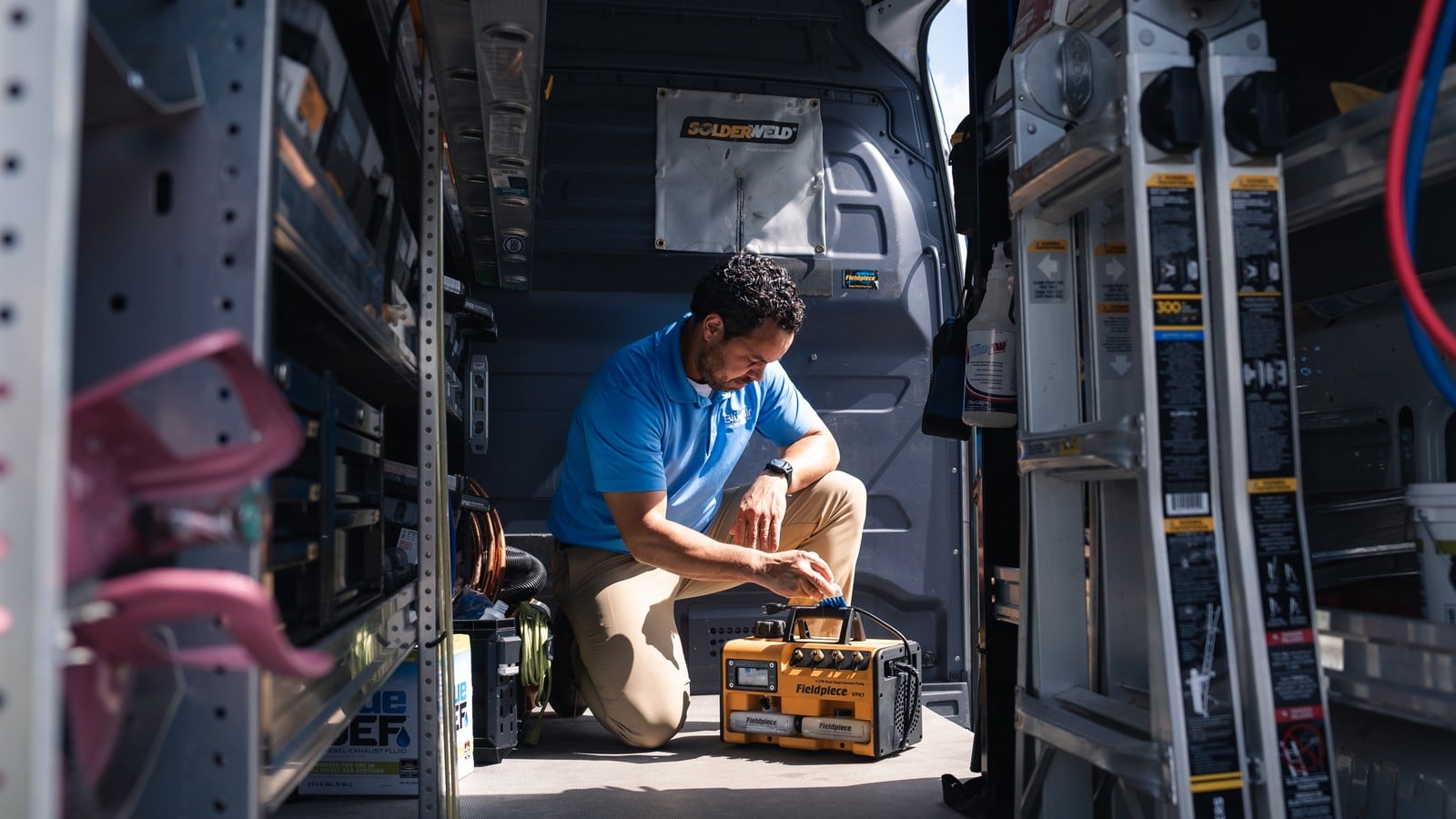
Your HVAC system is one of the most important components of your home, working around the clock to keep you comfortable. But like any mechanical system, it experiences wear and tear over time. Many homeowners wait until their heating or cooling system completely stops working before calling an HVAC contractor, but by then, repairs are often costly—or worse, a full system replacement may be necessary.
Eddy Quiroz, owner of Blue Air Heating and Cooling in Florida, sees this all too often:
“We see homeowners ignore small signs—strange noises, uneven temperatures, short cycling—until their system breaks down. The problem is, waiting too long usually means bigger repair costs and higher energy bills. The best way to avoid a stressful emergency is to catch problems early.”
How do you know when it’s time to call in an HVAC contractor? Here are the top eight warning signs that your system needs professional attention.
1. Your Energy Bills Are Rising for No Clear Reason
If your utility bills have been creeping up—even though your energy usage hasn’t changed—your HVAC system may be losing efficiency. An inefficient system has to work harder to maintain your desired temperature, using more energy and driving up costs.
There are several potential reasons for this:
- Clogged air filters restrict airflow, forcing the system to work harder.
- Leaky ductwork allows conditioned air to escape, wasting energy.
- Aging components—like a worn-out blower motor or compressor—cause the system to strain.
Regular maintenance and tune-ups can prevent these problems. Contact a local HVAC contractor to inspect your system, clean the necessary components, and identify any parts that need repair or replacement before they cause a major issue.
Ignoring these warning signs can cost you hundreds (or even thousands) in extra energy costs over time. If you’ve noticed a steady increase in your utility bills, it’s worth scheduling an HVAC inspection to restore efficiency and keep your costs under control.
2. Uneven Temperatures in Different Rooms
Have you noticed that some rooms in your home feel much warmer or cooler than others? Uneven heating or cooling is a sign that something is off with your HVAC system.
Possible causes include:
- Blocked vents or registers: Furniture, dust, or debris can obstruct airflow.
- Ductwork leaks: Air escaping from your ducts reduces system efficiency and causes temperature imbalances.
- A failing thermostat: If your thermostat isn’t properly sensing and regulating temperatures, it can create hot and cold spots.
- An undersized or aging HVAC system: If your system isn’t powerful enough for your home’s square footage, it may struggle to distribute air evenly.
An HVAC contractor can evaluate your system, check for airflow restrictions, recalibrate your thermostat, and determine if your equipment is properly sized for your home. Sometimes, a simple fix—like sealing duct leaks or adding dampers—can resolve uneven temperature issues. Other times, upgrading to a more efficient system is the best long-term solution.
Don’t settle for an uncomfortable home. If you’re constantly adjusting the thermostat but can’t seem to get consistent temperatures, it’s time to call in an expert.
3. Strange Noises Coming from Your HVAC System
Your HVAC system should operate relatively quietly. If you start hearing strange sounds—such as banging, grinding, squealing, or rattling—it’s a clear indication that something is wrong.
Common noises and their causes:
- Banging or clanking: Could mean a loose or broken part inside the unit.
- Grinding: May signal worn-out motor bearings, which can cause serious damage if ignored.
- Squealing: Often indicates belt or fan motor issues.
- Hissing: Could point to a refrigerant leak, which affects cooling performance.
No matter the noise, it’s best not to ignore it. What starts as a minor issue can quickly escalate into a major repair if left unchecked.
Contact a HVAC contractor in Florida to inspect your system, diagnose the source of the sound, and fix the problem before it leads to more extensive (and expensive) damage. If you hear anything unusual, don’t wait—get your system checked before it fails completely.
4. Unpleasant Odors Coming from Your Vents
If you notice musty, burning, or chemical smells coming from your HVAC system, don’t ignore them. These odors can indicate serious issues that affect both system performance and indoor air quality.
- Musty or mildew-like smells may mean mold growth inside your ductwork, especially in humid climates like Florida.
- Burning smells could indicate overheating components or electrical issues.
- Rotten egg or sulfur smells might be a sign of a gas leak (for homes with gas-powered heating).
Airborne contaminants like mold spores, dust, and debris can also accumulate in your HVAC system, causing persistent odors and worsening allergies or respiratory issues.
An HVAC professional will inspect your ducts, clean or replace filters, and check for underlying problems like mold, electrical issues, or gas leaks. If your home has persistent odors when the HVAC is running, it’s time to schedule an inspection.
5. Frequent Short Cycling (Turning On and Off Too Often)
Does your HVAC system turn on and off frequently, running in short bursts? This is called short cycling, and it can lead to excessive wear and tear, increased energy bills, and inconsistent temperatures in your home.
Possible causes include:
- An oversized system: If your HVAC unit is too powerful for your home, it may cool or heat the space too quickly, leading to frequent cycling.
- A malfunctioning thermostat: If your thermostat is misreading temperatures, it may cause the system to shut off prematurely.
- Restricted airflow: Clogged filters, blocked vents, or dirty coils can make the system overheat and shut down.
Short cycling is inefficient and can drastically shorten the lifespan of your HVAC system. If you notice your unit turning on and off too frequently, call a professional to diagnose and fix the issue before it leads to a costly breakdown.
6. Weak or Inconsistent Airflow
If your HVAC system is running, but the airflow from your vents feels weak or inconsistent, your system may be struggling. Weak airflow is usually caused by:
- Clogged air filters restricting circulation.
- Duct obstructions blocking airflow.
- A failing blower motor that needs repair or replacement.
Poor airflow means your HVAC system has to work harder to heat or cool your home, increasing strain and energy costs. A heating and air conditioning expert can perform an airflow assessment, clean or repair ductwork, and ensure your system is operating efficiently.
7. High Indoor Humidity
Your HVAC system should regulate humidity levels in your home. If the air feels excessively damp or sticky, your system may not be effectively dehumidifying.
Potential causes include:
- An aging or malfunctioning air conditioner
- A refrigerant leak affecting cooling performance
- Improper system sizing
A professional HVAC technician can assess your system and recommend solutions such as dehumidifiers, system repairs, or upgrades to better control indoor moisture levels.
8. Your HVAC System Is Over 10 Years Old
Most HVAC systems last between 10 and 15 years with proper maintenance. If yours is approaching this age and experiencing frequent issues, replacing it with a newer, energy-efficient model may be the best option.
Newer systems offer:
- Lower energy bills
- More consistent heating and cooling
- Smart thermostat compatibility
If you’re spending more on repairs, it might be time to invest in a new unit. Contact your local heating and air company to assess your system and help you determine whether repairs or replacement make the most sense for your home.
Don’t Wait—Schedule an HVAC Inspection Today
If you’ve noticed any of these signs, don’t wait until it’s too late. Schedule an inspection with Blue Air Heating and Cooling to keep your home comfortable and avoid costly repairs.
Call today to book your HVAC checkup!
Latest Posts


Request Service
Free estimates on new equipment installation
By submitting, you agree to receive text message communication from us per our “Terms and Conditions and/or Privacy Policy”, which state that we will never share your personal information or spam you
By submitting this form and signing up for texts, you consent to receive messages from Blue Air Heating and Cooling at the provided number, including messages sent via auto-dialer. Consent is not a condition of purchase. Msg & data rates may apply. Msg frequency varies. Unsubscribe at any time by replying STOP or clicking the unsubscribe link (where available). For help, reply HELP. Information will not be shared with third parties for marketing or promotional purposes. Privacy Policy & Terms & Conditions.
At Blue Air Heating and Cooling, we believe that comfort should never be compromised. Our dedicated team is committed to providing you with exceptional service, ensuring your home remains a sanctuary regardless of the season. With our extensive experience and expertise, we tackle every HVAC challenge with precision and care. Whether it's a routine maintenance check or an emergency repair, we are just a call away, ready to restore your comfort. Experience the difference with Blue Air – where your satisfaction is our priority.
