

5.0 · 276 Google reviews
How Frequent AC Repairs Are a Sign It’s Time for a New System
Family-owned
24/7 Emergency Repairs
Licensed · CAC1821751
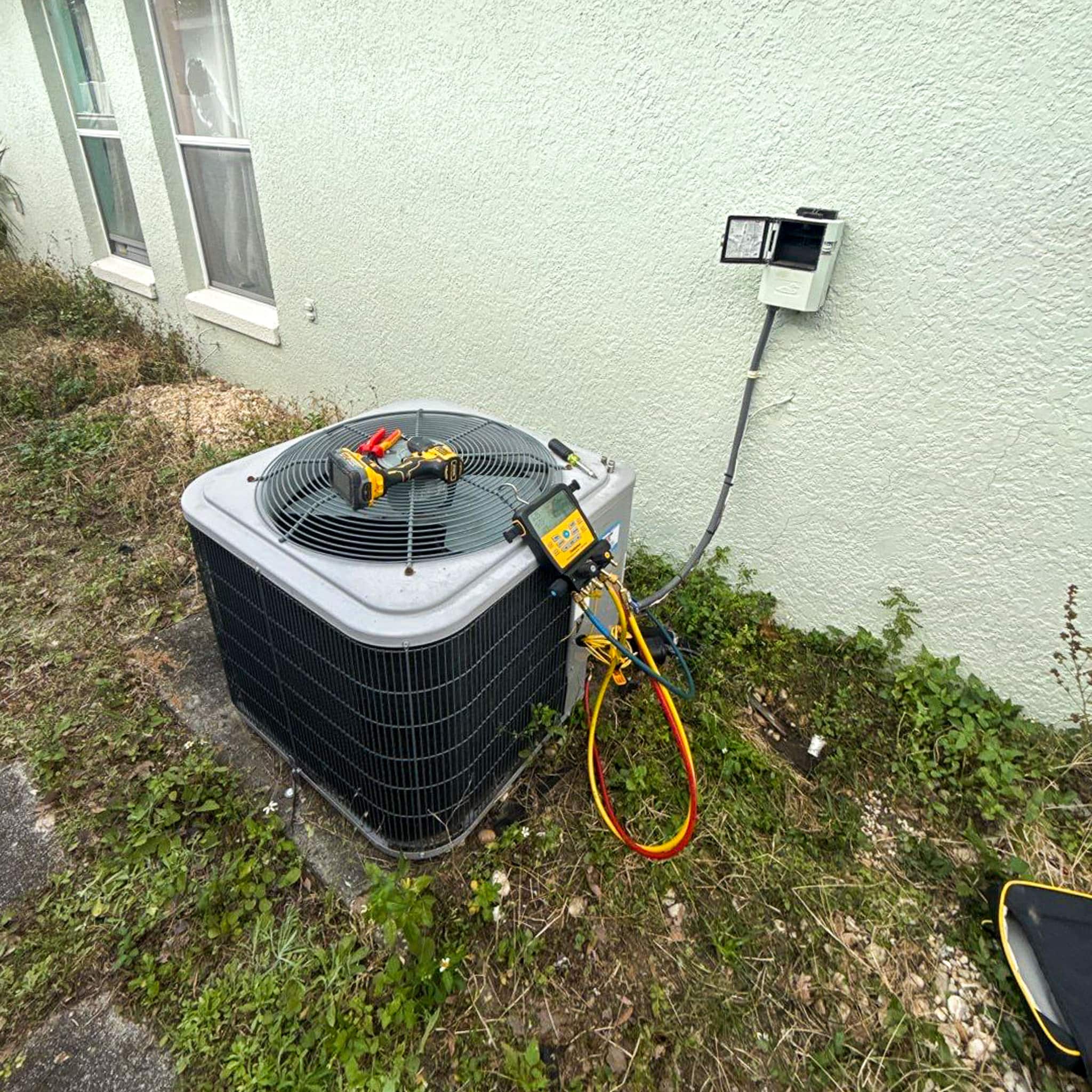
You’ve already called your AC repair company twice this summer. The capacitor went out in June. The blower motor died in July. Now it’s August and you’re hearing that familiar grinding noise again.
Sound familiar?
If you’re starting to wonder whether your air conditioner has your technician’s kids’ college tuition on speed dial, you’re not alone. Many Central Florida homeowners find themselves caught in an expensive cycle of repairs—fixing one problem only to have another pop up a few weeks later.
Here’s the uncomfortable truth: when repairs become frequent, you’re often throwing good money after bad.
Should I keep repairing my HVAC system or replace it? It’s the question every homeowner asks when facing their third or fourth repair bill in a single year. And the answer isn’t always obvious—especially when each individual repair seems “reasonable” compared to the cost of a new system.
But here’s what most homeowners don’t realize: frequent repairs are your air conditioner’s way of telling you it’s reached the end of its useful life. Like an old car that needs constant fixes, an aging AC system will nickel and dime you to death if you let it.
The trick is recognizing when you’ve crossed the line from normal maintenance into the danger zone of diminishing returns.
At Blue Air Heating and Cooling, we see this scenario play out all the time. Homeowners who’ve spent $3,000 in repairs over two years on a system that could be replaced for $4,500. The math doesn’t add up—and neither does the comfort level when you’re constantly worried about the next breakdown.
Let’s talk about how to recognize when repair bills are really replacement signals in disguise.
When “Just One More Fix” Becomes a Pattern
Every air conditioner needs occasional repairs. That’s normal. What’s not normal is needing repairs every few months—or dealing with the same problems over and over again.
The Repair Frequency Red Flags
Is frequent air conditioning repair a red flag? Absolutely. Here’s when occasional repairs become a serious problem:
Multiple Repairs Per Season: If you’re calling for AC service in Orlando more than once per cooling season, your system is trying to tell you something. One repair per year might be expected maintenance. Two or more repairs in a single summer? That’s a pattern.
In Central Florida, where AC systems work harder and longer than almost anywhere else, even well-maintained units shouldn’t need constant attention. If your system can’t make it through a summer without breaking down, it’s time to start planning for replacement.
The Same Problem Keeps Coming Back: This one’s particularly frustrating. You pay to fix the capacitor, and it goes out again two months later. The refrigerant leak gets “repaired,” but you’re adding refrigerant again next season.
When the same components keep failing, it usually means your system is stressed beyond its design limits. The underlying cause—age, wear, or system imbalance—isn’t being addressed by individual repairs.
Cascading Failures: This is when fixing one problem creates stress on other components, leading to a domino effect of repairs. The compressor fails, so you replace it. But the new compressor stresses the old electrical components, which then fail. Then the added strain damages the coils.
When components start failing in sequence, it’s your system’s way of saying it’s time to retire the whole thing.
How Often Should I Need HVAC Servicing Near Me?
For a healthy AC system in Central Florida:
- Annual maintenance tune-up: Expected and recommended
- Occasional minor repairs (every 2-3 years): Normal
- Filter changes and basic upkeep: Your responsibility as a homeowner
- Emergency repairs: Should be rare
If you’re calling for service more than twice per year, or if repair costs are adding up to more than $500-800 annually, you’re in frequent repair territory.
The Hidden Costs of Staying in Repair Mode
AC repair costs are just the tip of the iceberg when you’re dealing with a failing system. The real expense comes from everything else that goes along with unreliable air conditioning.
Emergency Service Premiums: When your AC breaks down on a 95-degree Saturday afternoon, you’re not shopping around for the best deal. You’re paying whatever it takes to get cool air flowing again.
Emergency service calls typically cost 50-100% more than scheduled repairs. When your system fails frequently, you’re likely to need emergency service multiple times—and those premium rates add up fast.
Lost Productivity and Comfort: How do you put a price on sleeping through the night? Or being able to work from home comfortably? When your AC is unreliable, you’re constantly dealing with disruption.
Multiple repair appointments mean taking time off work, coordinating with technicians, and living in uncomfortable conditions while you wait for parts or service availability.
Energy Waste from Declining Efficiency: Older systems that need frequent repairs are also operating far below their original efficiency. A system that’s constantly breaking down is also wasting energy—sometimes dramatically.
You might be paying 40-60% more in electricity costs compared to what a new, efficient system would cost to operate. Those monthly energy waste dollars add up to hundreds or thousands annually.
The Cascade Effect of System Stress: When one component fails repeatedly, it usually means other parts of your system are working harder to compensate. This creates a cascade of problems that extends beyond the original issue.
For example, if your system is low on refrigerant, your compressor works harder. That extra stress can damage the compressor, which then affects electrical components, which can impact your blower motor. One “simple” problem becomes a system-wide issue.
Risk of Secondary Damage: Frequent AC failures can cause damage beyond the HVAC system itself. Refrigerant leaks can damage landscaping. Water leaks from failing systems can cause floor or ceiling damage. Electrical problems can affect other home systems.
These secondary damages often aren’t covered by HVAC repair warranties, leaving you with additional unexpected costs.
The Stress Factor: There’s a real cost to constantly worrying about when your AC will break down next. Especially in Florida’s climate, where air conditioning isn’t a luxury—it’s a necessity for health and safety.
When you can’t rely on your cooling system, you’re always on edge during hot weather, wondering if today will be the day you come home to a sweltering house.
The Math of Replacement vs. Ongoing Repairs
Let’s get practical about the numbers, because this decision ultimately comes down to dollars and cents—both short-term and long-term.
The 50% Rule: Here’s a rule of thumb that makes the decision easier: if your annual repair costs exceed 50% of what a new system would cost, replacement typically makes more financial sense.
For example, if a new AC system would cost $4,000, and you’re spending more than $2,000 per year on repairs, you’re in replacement territory.
The Five-Year Look-Ahead: Don’t just consider this year’s repair costs. Project forward:
If your system needed $1,500 in repairs this year, $1,200 last year, and shows signs of increasing problems, what will the next three years look like? Often, you’ll find that projected repair costs over five years exceed the cost of replacement.
Cost of New AC System vs. Ongoing Repairs: How much does a new residential HVAC system cost? For most Central Florida homes, a quality replacement system ranges from $3,500 to $8,000, depending on size, efficiency, and features.
Compare that to repair costs:
- Average major repair: $800-1,500
- Multiple repairs per year: $2,000-4,000 annually
- Lost efficiency costs: $300-800 per year in wasted energy
When you add up repair costs, emergency service premiums, and efficiency losses, the numbers often favor replacement much sooner than homeowners realize.
Financing Changes the Equation: Many homeowners think about replacement costs as a lump sum, which makes repairs seem more affordable by comparison. But financing options change the math completely.
A $5,000 system financed over five years might cost $100-120 per month. Compare that to averaging $200-300 monthly in repair and efficiency costs with your old system.
Suddenly, replacement isn’t just the smart long-term choice—it’s often cheaper month-to-month.
When is the Right Time to Get an HVAC Replacement?
Timing your heating and air replacement can save you money and avoid emergency situations. The best time isn’t always when your system completely dies.
Before Complete Failure: The worst time to buy an AC system is when you absolutely have to. Emergency replacements mean limited options, premium pricing, and rushed decisions.
When you plan replacement before complete failure, you can:
- Shop for the best system for your needs
- Take advantage of seasonal promotions
- Schedule installation at your convenience
- Avoid emergency service charges
Seasonal Considerations: In Central Florida, shoulder seasons (late fall and early spring) often provide the best replacement opportunities. Demand is lower, so you get better pricing and scheduling flexibility.
Summer emergency replacements cost more and limit your options. Winter replacements are less urgent but give you time to plan before the next cooling season.
After the Second Major Repair in Two Years: This is often the sweet spot for replacement timing. You’ve given your system a fair chance with professional repairs, but the pattern is clear.
After two significant repairs, you have enough data to project future costs and make an informed decision about whether continued repairs make financial sense.
When Repair Costs Hit 40% of Replacement Cost: Don’t wait for the 50% threshold. When annual repairs reach 40% of replacement cost, it’s time to seriously consider your options.
At this point, you’re close enough to the tipping point that it makes sense to invest in new, reliable equipment rather than continue gambling on aging components.
The Real Benefits of Replacement
Beyond stopping the cycle of repairs, replacement delivers benefits that go far beyond just avoiding service calls.
Predictable Costs: With a new system, you know what your costs will be. Monthly financing payments, predictable energy bills, and warranty coverage eliminate the uncertainty of aging equipment.
Most new systems come with 5-10 year warranties that cover major components. That’s years of protection against the kinds of expensive repairs that plague older systems.
Improved Efficiency: Modern AC systems are dramatically more efficient than equipment installed even 10 years ago. A new high-efficiency system can cut your cooling costs by 30-50% compared to an older system.
These energy savings often offset a significant portion of your financing costs, making replacement more affordable than it initially appears.
Better Comfort Control: New systems don’t just cool more efficiently—they cool more effectively. Better humidity control, more even temperatures, and quieter operation all improve your quality of life.
Modern systems also offer smart controls, programmable thermostats, and zoning options that weren’t available in older equipment.
Increased Home Value: A new HVAC system is one of the home improvements that buyers notice and value. Real estate professionals consistently rank HVAC systems among the top factors affecting home values and marketability.
Even if you’re not planning to sell immediately, a new system protects and enhances your property value.
Peace of Mind: Maybe the biggest benefit is simply knowing your AC will work when you need it. No more worrying about breakdowns during heat waves. No more emergency service calls. No more disrupted plans due to cooling system failures.
Reliable air conditioning isn’t just about comfort—it’s about being able to count on your home’s essential systems.
Making the Smart Choice
Frequent AC repairs aren’t just an inconvenience—they’re a signal. Your system is telling you it’s reached the point where continued investment doesn’t make financial sense.
The hardest part for most homeowners is recognizing when they’ve crossed that line. It’s easy to justify “just one more repair,” especially when each individual fix seems reasonable.
But step back and look at the bigger picture. Add up your repair costs over the past two years. Factor in the energy waste from reduced efficiency. Consider the disruption and stress of unreliable cooling.
When you do the math honestly, replacement often emerges as the clear winner—not just for long-term value, but for immediate monthly costs.
Ready to Break the Repair Cycle?
If you’re tired of constant AC repairs and ready to invest in reliable comfort, Blue Air Heating and Cooling can help you make the transition. Our experienced team will honestly assess whether your current system is worth continued repairs or if replacement makes more sense for your situation and budget.
We don’t push replacement when repairs are still cost-effective, but we also don’t let customers waste money on systems that have reached the end of their useful life. Contact us at (407) 300-4185 for a straightforward evaluation of your options and discover how a new system can save you money while delivering the reliable comfort you deserve.
Latest Posts


Request Service
Free estimates on new equipment installation
By submitting, you agree to receive text message communication from us per our “Terms and Conditions and/or Privacy Policy”, which state that we will never share your personal information or spam you
By submitting this form and signing up for texts, you consent to receive messages from Blue Air Heating and Cooling at the provided number, including messages sent via auto-dialer. Consent is not a condition of purchase. Msg & data rates may apply. Msg frequency varies. Unsubscribe at any time by replying STOP or clicking the unsubscribe link (where available). For help, reply HELP. Information will not be shared with third parties for marketing or promotional purposes. Privacy Policy & Terms & Conditions.
At Blue Air Heating and Cooling, we believe that comfort should never be compromised. Our dedicated team is committed to providing you with exceptional service, ensuring your home remains a sanctuary regardless of the season. With our extensive experience and expertise, we tackle every HVAC challenge with precision and care. Whether it's a routine maintenance check or an emergency repair, we are just a call away, ready to restore your comfort. Experience the difference with Blue Air – where your satisfaction is our priority.
