

5.0 · 276 Google reviews
Heater Not Working? Do These 12 Checks Before You Call an Orlando Pro
Family-owned
24/7 Emergency Repairs
Licensed · CAC1821751
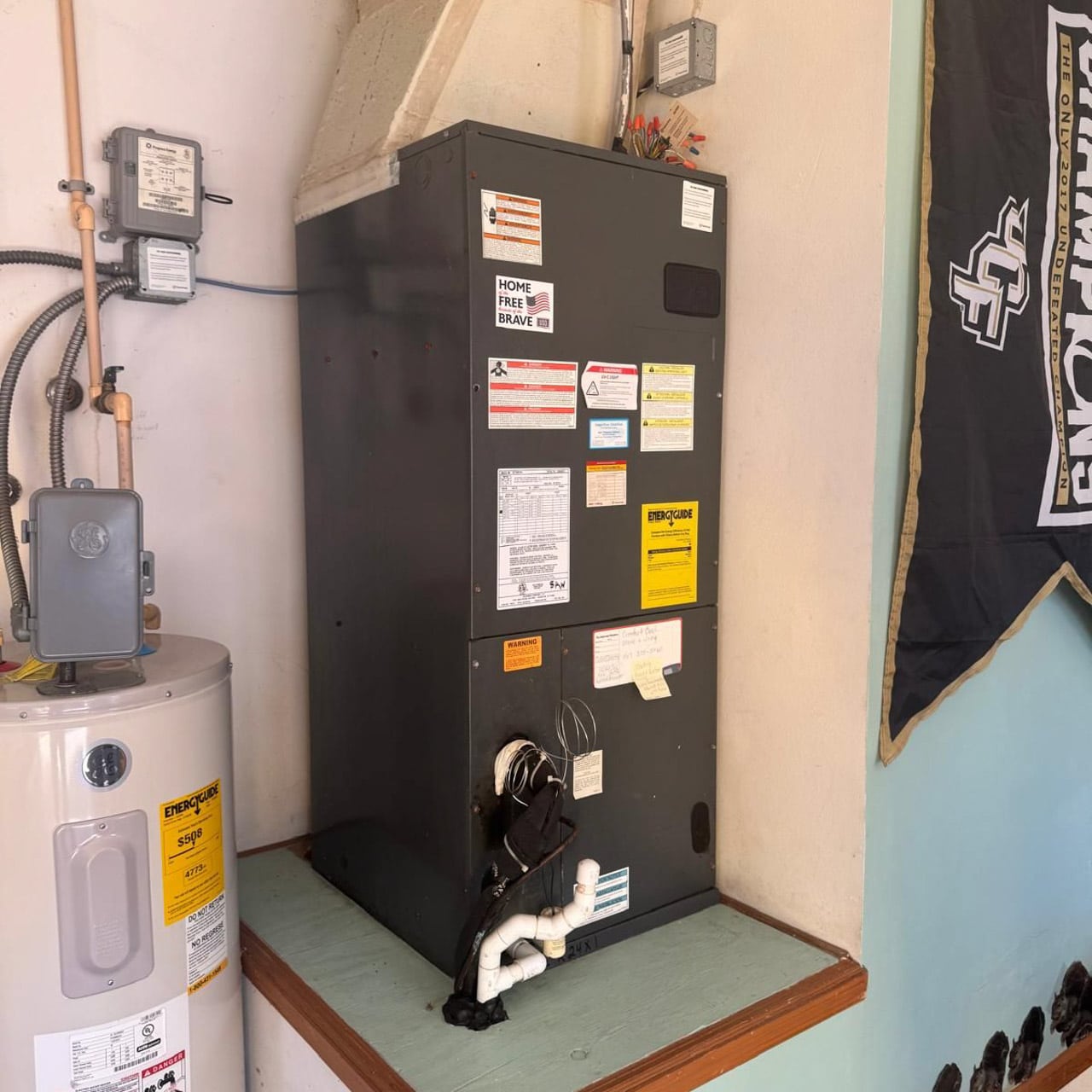
Chilly Florida mornings can sneak up on you. If your heater won’t start or your vents are pushing cool air, don’t panic—many issues have simple fixes you can try first. After thousands of service calls across Orlando and Central Florida, Blue Air has seen that a few quick checks often bring the warmth right back.
Work through these safe, homeowner-friendly steps. If anything feels uncertain or you smell gas/electrical burning, turn the system off and call Blue Air Heating and Cooling.
1) Start with the Thermostat
Small setting mix-ups cause a surprising number of no-heat calls.
- Confirm the mode is HEAT (not COOL/FAN).
- Bump the setpoint 3–5°F above room temperature.
- Replace batteries if the screen is dim/blank.
- If you use schedules, make sure a power blink didn’t change them.
Still no heat even though it’s set correctly? Batteries, a tripped breaker, or a misconfigured temperature limit are common culprits. If the display won’t respond, it’s time for a professional test.
2) Check Power: Breaker & Furnace Switch
Your thermostat can look “on” even when the furnace has no power.
- Open the electrical panel and fully OFF/ON reset any half-tripped breaker.
- Locate the furnace service switch (looks like a light switch near the unit) and verify it’s ON.
Breaker keeps tripping? A motor drawing excess current or a wiring fault needs technician attention—don’t keep resetting.
3) Inspect & Replace the Air Filter
A clogged filter triggers overheating safeties and leaves only the fan blowing.
- Hold the filter up to light—if you can’t see through it, replace it.
- In humid Central Florida, swap filters every 30–60 days.
Blowing cold air after a filter change? Ignition or sensor issues may be next—schedule a tune-up.
4) Listen for the Normal Start-Up Sequence
Typical order: inducer fan → click/ignite → warm-up → blower on.
If you hear the fan but never feel heat, ignition likely isn’t completing or a safety switch is stopping the cycle. Blue Air can pinpoint which switch/sensor is blocking heat and correct it quickly.
5) Pilot Light or Electronic Igniter
Older gas furnaces use a pilot; newer systems use hot surface or spark ignition.
- Pilot systems: Look for a steady blue flame through the sight glass. If it’s out, follow the unit’s relight instructions exactly.
- Turn control to OFF 5 minutes, switch to PILOT, hold while lighting, then set to ON once stable.
- If it won’t stay lit, the thermocouple or gas valve may be at fault—call a pro.
- Electronic igniters: Repeated clicking with no flame means the igniter or flame sensor needs testing.
If you smell gas: ventilate, don’t light anything, and call for help immediately.
6) Clear Supply Vents & Returns
Walk room to room: move furniture, curtains, or rugs off vents and large return grilles. Restricted airflow causes overheating, short cycling, and uneven rooms.
Some rooms colder than others? You could have duct leaks or balance issues—an airflow evaluation can fix comfort for the whole home.
7) Try a Safe System Reset
Power cycle to clear minor control faults:
- Turn HEAT off at the thermostat.
- Switch the furnace OFF at the breaker for 60 seconds.
- Turn breaker and thermostat back ON.
If it fails again soon after, there’s an underlying issue—don’t rely on repeated resets.
8) Note Any Odd Smells or Sounds
- Dusty smell for a few minutes after first use is normal.
- Metal/plastic/electrical odor is not—turn the system off and call.
- Grinding, squealing, rumbling = worn bearings, belt, or motor.
Early attention protects expensive components.
9) Confirm the Thermostat’s Location & Calibration
Thermostats near sunlight, appliances, or supply vents can misread the room and cause short cycling. Blue Air can relocate or recalibrate yours—or install a smart thermostat that adapts to Orlando’s warm days and cooler nights.
10) Watch for Long Run Times with Little Heat
If the heater runs forever but temps barely rise, think airflow loss or duct leakage. Dirty blower wheels, crushed flex duct, or disconnected runs are common. A full duct & static pressure check restores efficiency and comfort.
11) Track Utility Bills for Clues
Sudden bill spikes with the same usage habits mean the system is working harder than it should: clogged filter, leaky ducts, tired igniter, or failing sensor. A quick efficiency check can pay for itself in lower bills.
12) Know When to Stop DIY
Homeowner checks end at filters, vents, breakers, and the thermostat. Gas pressure, ignition timing, control boards, and electrical diagnostics belong to a licensed technician. If anything looks unfamiliar—or you’re repeating the same reset—bring in Blue Air.
What a Blue Air Heating and Cooling Diagnosis Includes
When you schedule service, our techs arrive prepared to resolve most issues same visit:
- Verify power, wiring, and safeties
- Test thermostat communication
- Inspect ignition, burners, and flame sensing
- Measure airflow & temperature rise
- Check ducts for restrictions/leaks
- Provide clear findings and upfront pricing before work
Prevent the Next Breakdown
One annual heater tune-up (fall) helps prevent up to 80% of surprise repairs, extends heat-exchanger life, and keeps energy use in check—especially with Florida humidity affecting sensors and electrical connections.
Orlando Climate Tip
Systems sit idle for months, then run on the season’s first cold night—oxidized contacts and sticky fans are common. A pre-season check avoids that “no heat” surprise when you need warmth most.
Need Help Now? Blue Air Has Orlando Covered.
If you’ve tried the checks above and your heater still won’t cooperate, we’re ready to help—fast, local, and friendly.
Call Blue Air Heating and Cooling or book online for same-day heating repair in Orlando. We’ll get your home warm again safely—and show you exactly what went wrong, no upsells, just solutions.
Latest Posts


Request Service
Free estimates on new equipment installation
By submitting, you agree to receive text message communication from us per our “Terms and Conditions and/or Privacy Policy”, which state that we will never share your personal information or spam you
By submitting this form and signing up for texts, you consent to receive messages from Blue Air Heating and Cooling at the provided number, including messages sent via auto-dialer. Consent is not a condition of purchase. Msg & data rates may apply. Msg frequency varies. Unsubscribe at any time by replying STOP or clicking the unsubscribe link (where available). For help, reply HELP. Information will not be shared with third parties for marketing or promotional purposes. Privacy Policy & Terms & Conditions.
At Blue Air Heating and Cooling, we believe that comfort should never be compromised. Our dedicated team is committed to providing you with exceptional service, ensuring your home remains a sanctuary regardless of the season. With our extensive experience and expertise, we tackle every HVAC challenge with precision and care. Whether it's a routine maintenance check or an emergency repair, we are just a call away, ready to restore your comfort. Experience the difference with Blue Air – where your satisfaction is our priority.
