

5.0 · 276 Google reviews
7 Signs You Need AC Repair—Before It Gets Worse
Family-owned
24/7 Emergency Repairs
Licensed · CAC1821751
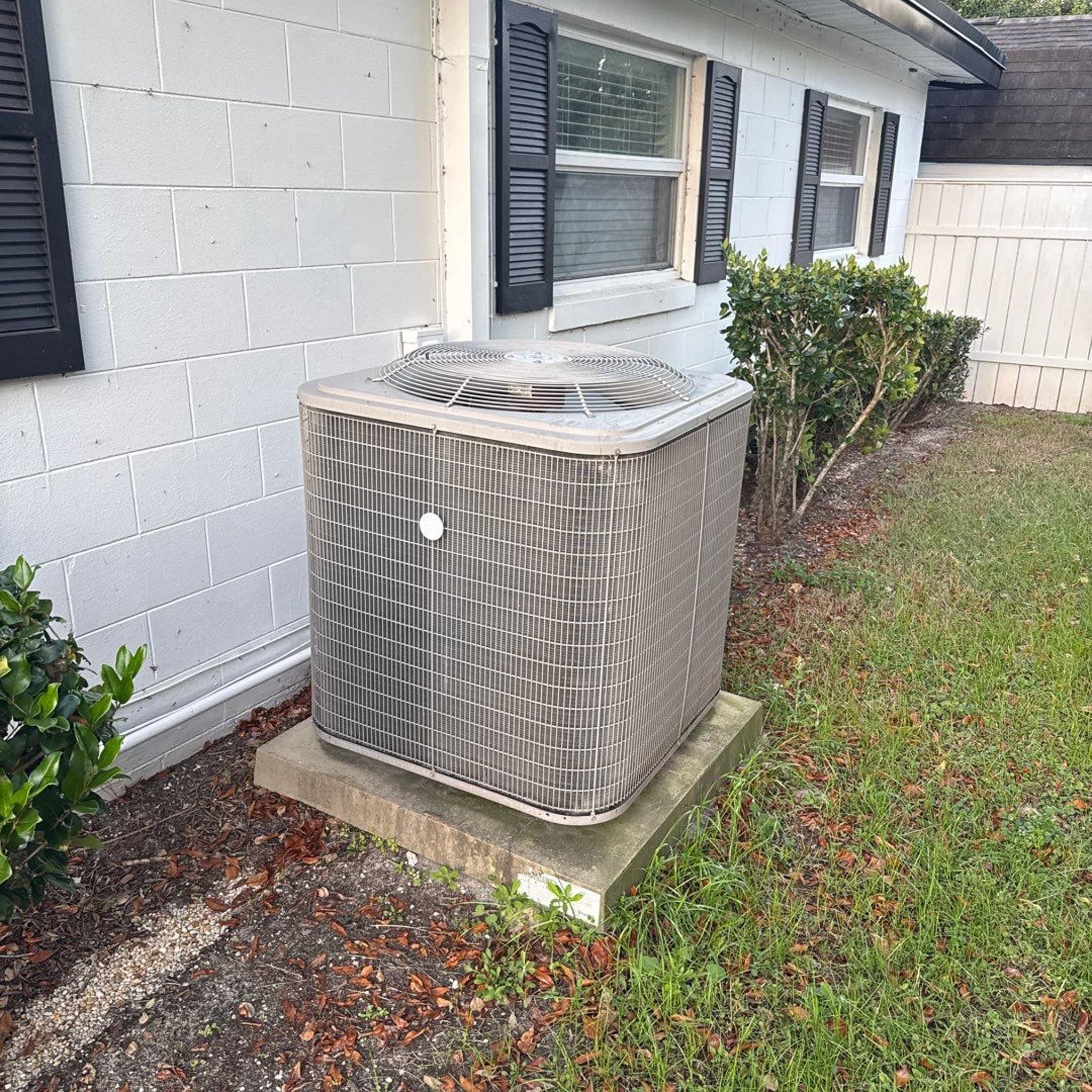
It’s Not Cooling Like It Used To
Most homeowners know what their air conditioning system should feel like. When it stops keeping up with demand, you can sense it—maybe the bedroom never cools down, or it takes twice as long to hit the temperature on the thermostat.
Your air conditioner’s job is simple: keep your home cool and comfortable. But when it stops doing that—when you walk into your living room and it feels just as hot as it does outside—it’s a clear sign something’s wrong.
Still, not all cooling issues are dramatic or sudden. Sometimes the signs are subtle: it takes longer than usual to cool the house, certain rooms stay warm no matter what, or your system seems to run endlessly with little effect. Many homeowners chalk these up to “a hot day” or “just how the system works,” but these are classic symptoms of an air conditioner in need of repair.
The most common complaint we hear as an AC contractor is:
“It just doesn’t cool like it used to.”
Let’s look at what could be causing that—and why ignoring it now leads to more expensive repairs later.
Weak or Inconsistent Cooling
One of the first signs of trouble is reduced airflow. You might notice less air coming from the vents or feel uneven cooling from room to room. This could point to:
-
Clogged Filters – When your air filter is full of dust, pet hair, or debris, it restricts airflow and strains the entire system. A blocked filter can even cause your evaporator coil to freeze up.
-
Blower Motor Issues – The blower fan is responsible for pushing cooled air into your ductwork. If it’s failing or running at reduced speed, airflow will drop even if the rest of the system is operating correctly.
-
Ductwork Problems – Crushed, disconnected, or leaking ducts mean cooled air never makes it into your living space. You end up paying for cooling that never arrives.
As a homeowner, reduced airflow may seem like a minor inconvenience. But left unchecked, it will reduce system efficiency, increase your energy bills, and eventually lead to a breakdown.
Sudden Spikes in Utility Bills
A poorly performing AC system often reveals itself through your monthly electric bill. If your usage habits haven’t changed but your utility costs are climbing, your system may be signaling distress.
This is often caused by:
-
Aging System Components – As parts wear down, they lose efficiency.
-
Improper Cycling – If your thermostat isn’t calibrated correctly, the system may be turning on and off too frequently.
-
Electrical or Sensor Issues – Faulty wiring, stuck relays, or bad temperature sensors can all contribute to inefficient operation.
When you’re searching for AC repair close to me, one of the best things you can ask for is a full system diagnostic—not just a quick fix. A licensed air conditioning contractor will measure system pressures, check electrical readings, and inspect performance under load.
Strange Noises, Smells, or Cycles
When your air conditioner stops being background noise and starts drawing attention to itself, something’s not right. The average homeowner may not know what every part of the system does, but one thing is certain: your AC shouldn’t sound like a washing machine on spin cycle or smell like a burned-out motor. Changes in the way your system sounds or smells are usually early signs of failure—and the longer they go unaddressed, the more expensive they become to fix.
Unusual Noises
Air conditioning systems are built to run quietly. If you’re hearing strange or new sounds, they deserve immediate attention:
-
Buzzing: This could mean loose electrical wiring, a failing capacitor, or debris inside the outdoor unit.
-
Rattling or Clanking: These are often signs that parts are loosening—like fan blades or motor mounts—and can cause further damage if ignored.
-
Screeching: Usually points to belt or motor bearing issues. These sounds are loud and sharp and typically indicate that a part is about to fail.
-
Clicking or Hissing: Clicking may come from faulty relays, while hissing often signals a refrigerant leak—a serious issue that can reduce performance and damage your compressor.
Unpleasant Odors
If your system smells off, musty, or burnt when it runs, it’s trying to tell you something.
-
Musty Smells: Often indicate mold or mildew buildup inside the system—usually in the evaporator coil or ductwork.
-
Burning or Electrical Odors: This can be dangerous. If you detect a burning plastic or rubber smell, shut off your AC immediately.
-
Rotten Egg Smell: While rare, if your HVAC system uses gas heat and you notice a sulfur smell, treat it as a gas leak and leave the home.
Short Cycling
When your AC turns on, runs for just a minute or two, then shuts off and repeats that pattern, it’s “short cycling.” Causes include:
-
Oversized Unit: If the unit cools the house too quickly, it shuts off before completing a full cycle. That might sound like a good thing—but it leads to uneven cooling, humidity problems, and equipment wear.
-
Dirty Air Filter or Coil: Obstructions force the system to overheat and shut down prematurely.
-
Low Refrigerant or Frozen Coil: Can also cause your system to shut off mid-cycle as a safety response.
Short cycling not only reduces comfort—it puts enormous stress on the compressor, which is one of the most expensive parts to replace.
When You Shouldn’t Wait to Call for Help
Some issues are inconvenient. Others are dangerous or damaging. It’s important to know the difference so you don’t risk your home’s safety—or destroy your system trying to “wait it out.”
Water Leaks
Water pooling near your indoor air handler could be a sign that:
-
The condensate drain line is clogged
-
The drain pan is cracked or full
-
The evaporator coil is frozen and thawing
Left unresolved, water leaks can cause floor or drywall damage, mold growth, and even electrical hazards. It’s one of the most overlooked AC repair calls until it becomes a water damage issue.
Frozen Coils
If you notice ice forming on your outdoor unit or indoor coil, turn off the system immediately. Causes include:
-
Restricted airflow
-
Low refrigerant
-
Failed blower fan
-
Extremely dirty filters
Running your system while it’s frozen can damage the compressor and may lead to complete failure.
Electrical or Burning Smells
This is a “shut it off now” scenario. Whether it’s a capacitor, relay switch, or control board issue, electrical faults can escalate quickly. If it smells hot or you see smoke, don’t risk it—call a licensed HVAC professional.
Air conditioning systems rarely stop working without warning. They give off signs—uneven cooling, odd noises, strange smells, or rising energy bills. The key is knowing what to look for, and acting on it early.
At Blue Air Heating and Cooling, we help homeowners identify and fix AC problems before they turn into emergencies. We’re here to protect your home, your comfort, and your investment.
If you’ve noticed any of the signs listed above, don’t wait.
Contact Blue Air Heating and Cooling today to schedule your HVAC diagnostic appointment.
Latest Posts


Request Service
Free estimates on new equipment installation
By submitting, you agree to receive text message communication from us per our “Terms and Conditions and/or Privacy Policy”, which state that we will never share your personal information or spam you
By submitting this form and signing up for texts, you consent to receive messages from Blue Air Heating and Cooling at the provided number, including messages sent via auto-dialer. Consent is not a condition of purchase. Msg & data rates may apply. Msg frequency varies. Unsubscribe at any time by replying STOP or clicking the unsubscribe link (where available). For help, reply HELP. Information will not be shared with third parties for marketing or promotional purposes. Privacy Policy & Terms & Conditions.
At Blue Air Heating and Cooling, we believe that comfort should never be compromised. Our dedicated team is committed to providing you with exceptional service, ensuring your home remains a sanctuary regardless of the season. With our extensive experience and expertise, we tackle every HVAC challenge with precision and care. Whether it's a routine maintenance check or an emergency repair, we are just a call away, ready to restore your comfort. Experience the difference with Blue Air – where your satisfaction is our priority.
