

5.0 · 276 Google reviews
How to Choose the Best AC System for Your Home
Family-owned
24/7 Emergency Repairs
Licensed · CAC1821751
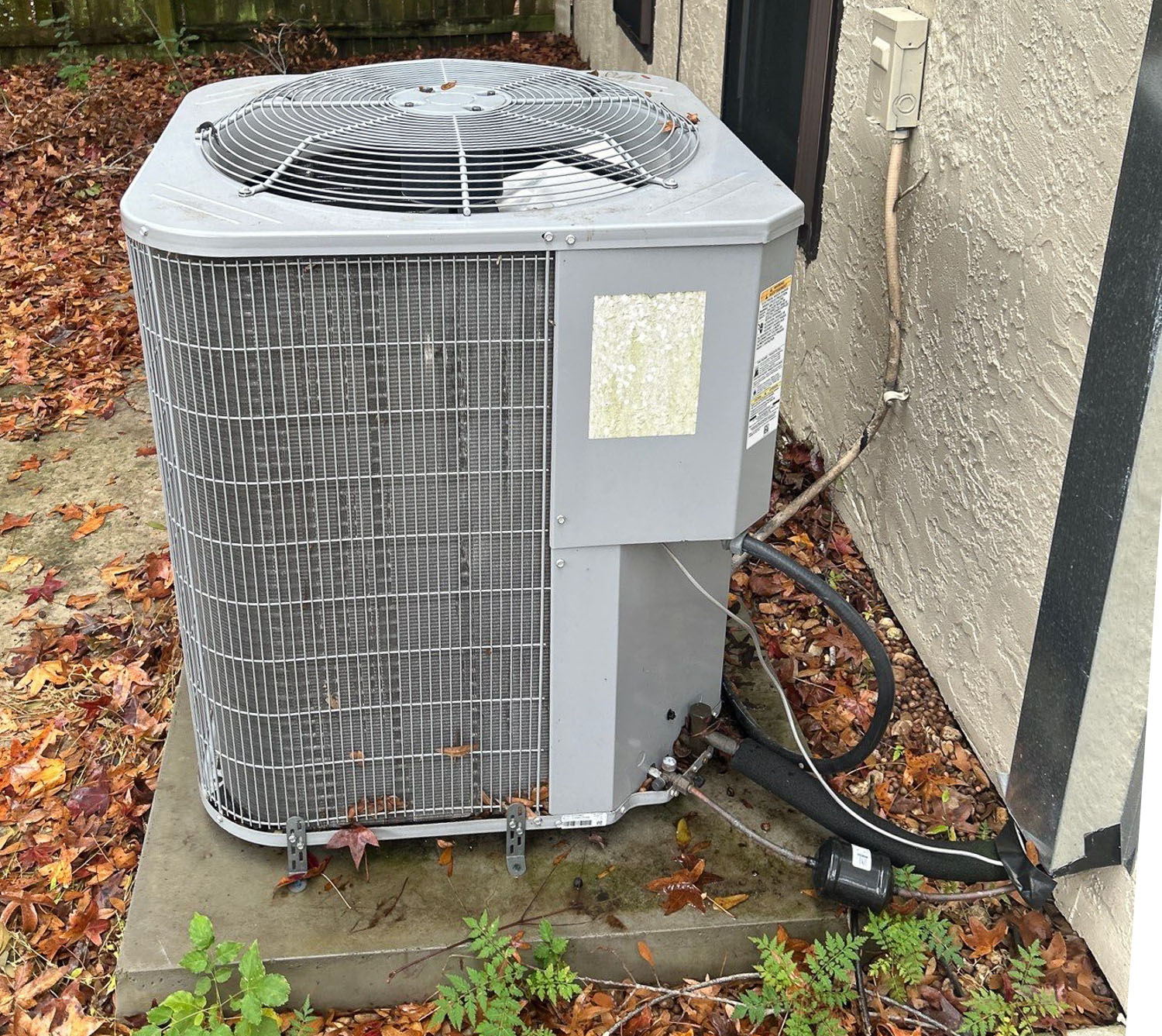
Replacing your AC Unit and Need some Guidance?
Replacing or installing a new air conditioner is a major investment—one that will affect your comfort, your energy bills, and your peace of mind for the next 10 to 15 years. Before you start researching brands or calling heating and ac contractors, it’s important to step back and look at the big picture. What are your home’s unique needs, and what system is best suited to meet them?
Start by asking yourself a few foundational questions:
-
What’s your square footage and insulation condition?
A system that’s too small won’t keep you comfortable, while one that’s too large will short cycle and wear out faster. Insulation, window orientation, and ceiling height all influence how much cooling power you need. -
Do you already have ductwork—or space to install it?
If you don’t have ducts (or don’t want to invest in adding them), you’ll want to explore ductless options like mini splits. -
Are you cooling just one zone or the entire house?
A multi-zone system or central air conditioner may be better suited if you want whole-house comfort. But if you’re just cooling a guest suite, garage conversion, or home office, a single-zone ductless system could save you thousands. -
What are your energy efficiency goals?
More efficient systems often cost more upfront—but save significantly on monthly bills. Understanding SEER2 (Seasonal Energy Efficiency Ratio) ratings can help you evaluate long-term savings. -
What’s your realistic budget for equipment + installation?
Be sure to factor in total system cost, which includes equipment, labor, permits, and any modifications to your home. Price shouldn’t be the only deciding factor—but it will help determine which options are feasible.
Many homeowners make the mistake of going with whatever the last system was—or whatever’s cheapest. But today’s options are far more versatile, and the right system depends on a careful match of your home’s layout, usage, and future plans.
AC System Types—Pros, Cons, and Use Cases
Once you’ve considered the context, it’s time to evaluate the most common residential air conditioning systems. Each comes with trade-offs in efficiency, cost, aesthetics, and flexibility.
Central Air Conditioning
-
What it is: A traditional system that uses ducts to distribute cool air throughout the home.
-
Best for: Homes with existing ductwork; homeowners looking for even, whole-house cooling.
-
Pros:
-
Clean installation with no visible indoor units
-
Quiet operation
-
Easy to pair with heating systems
-
-
Cons:
-
Expensive if ducts need to be added or repaired
-
Leaky or poorly insulated ducts can waste energy
-
Ductless Mini Split Systems
-
What it is: A system with one or more indoor air handlers connected to an outdoor unit via refrigerant lines. No ducts required.
-
Best for: Additions, garages, older homes, or rooms without duct access.
-
Pros:
-
Extremely efficient and quiet
-
Zoned cooling allows for temperature control in each room
-
Minimal wall penetration
-
-
Cons:
-
Wall-mounted units may not match all aesthetics
-
Upfront cost per zone can be higher than a central system
-
Heat Pumps
-
What it is: A system that heats and cools using the same technology—moving heat in or out depending on the season.
-
Best for: Homes in moderate climates or anyone looking to combine heating and cooling in one unit.
-
Pros:
-
Very efficient; lower energy bills year-round
-
Single system to maintain
-
Ducted and ductless models available
-
-
Cons:
-
Less effective in extremely cold climates
-
Slightly higher upfront cost than traditional systems
-
Hybrid Systems
-
What it is: A combination of a gas furnace and electric heat pump—automatically switches based on temperature or efficiency.
-
Best for: Homes with unpredictable climates or homeowners who want ultimate control.
-
Pros:
-
Energy-efficient without sacrificing performance
-
Can switch between gas and electric based on cost or comfort
-
-
Cons:
-
Higher equipment cost
-
Requires both gas and electric infrastructure
-
If you’re searching for air conditioning installation or AC system upgrades, make sure the HVAC company provides a full load calculation—not just a guess based on square footage. This ensures your new system is properly sized for your home’s cooling demand.
Long-Term Value—Efficiency, Features, and Smart Controls
Choosing the right air conditioner isn’t just about what works today—it’s about what will still be saving you money and keeping you comfortable five, ten, or fifteen years down the line. That’s where features, efficiency, and smart home integration come into play.
Energy Efficiency Ratings
Every modern AC system is assigned a SEER2 rating, which measures how efficiently it cools over an average season. The higher the rating, the more efficient the system.
-
Minimum SEER2 requirement: 13.4 (in most regions)
-
High-efficiency models: SEER2 18+
These cost more initially, but can cut your energy bills by 30–50% compared to older systems.
Utility rebates may be available when you install high-efficiency units, particularly ENERGY STAR–certified models. Ask us which programs apply to your home.
Smart Thermostats and Controls
If your current thermostat is manual or even basic digital, you’re missing out on major comfort and energy savings. Modern AC systems integrate easily with smart thermostats, which offer:
-
Remote control via smartphone
-
Custom schedules based on occupancy or time of day
-
Learning behavior (some models adjust automatically to your preferences)
-
Energy usage reports and efficiency coaching
These features not only improve comfort—they also reduce waste and help you catch performance issues early.
Warranties and Service Plans
When comparing systems, factor in the warranty terms. Look for:
-
Compressor warranty (typically 10 years)
-
Parts warranty (5–10 years)
-
Labor warranty (varies by installer)
Also ask if your HVAC company offers maintenance agreements that include annual tune-ups and priority service. This can extend your system’s life, catch small issues before they become big repairs, and keep your warranty valid.
There’s no one-size-fits-all answer when it comes to the best AC system. It depends on your home, your comfort expectations, and your long-term goals for energy use and convenience. But one thing’s certain: making the right choice now sets you up for better performance, fewer repairs, and lower bills in the years to come.
Blue Air Heating and Cooling can help you choose wisely.
Our licensed heating and air company can assess your home, explain your options clearly, and install the right system the first time.
If you’re planning an AC upgrade, schedule your consultation today.
Latest Posts


Request Service
Free estimates on new equipment installation
By submitting, you agree to receive text message communication from us per our “Terms and Conditions and/or Privacy Policy”, which state that we will never share your personal information or spam you
By submitting this form and signing up for texts, you consent to receive messages from Blue Air Heating and Cooling at the provided number, including messages sent via auto-dialer. Consent is not a condition of purchase. Msg & data rates may apply. Msg frequency varies. Unsubscribe at any time by replying STOP or clicking the unsubscribe link (where available). For help, reply HELP. Information will not be shared with third parties for marketing or promotional purposes. Privacy Policy & Terms & Conditions.
At Blue Air Heating and Cooling, we believe that comfort should never be compromised. Our dedicated team is committed to providing you with exceptional service, ensuring your home remains a sanctuary regardless of the season. With our extensive experience and expertise, we tackle every HVAC challenge with precision and care. Whether it's a routine maintenance check or an emergency repair, we are just a call away, ready to restore your comfort. Experience the difference with Blue Air – where your satisfaction is our priority.
