

5.0 · 276 Google reviews
How Long Does an AC Unit Last? Understanding the Lifespan of Your Air Conditioner
Family-owned
24/7 Emergency Repairs
Licensed · CAC1821751
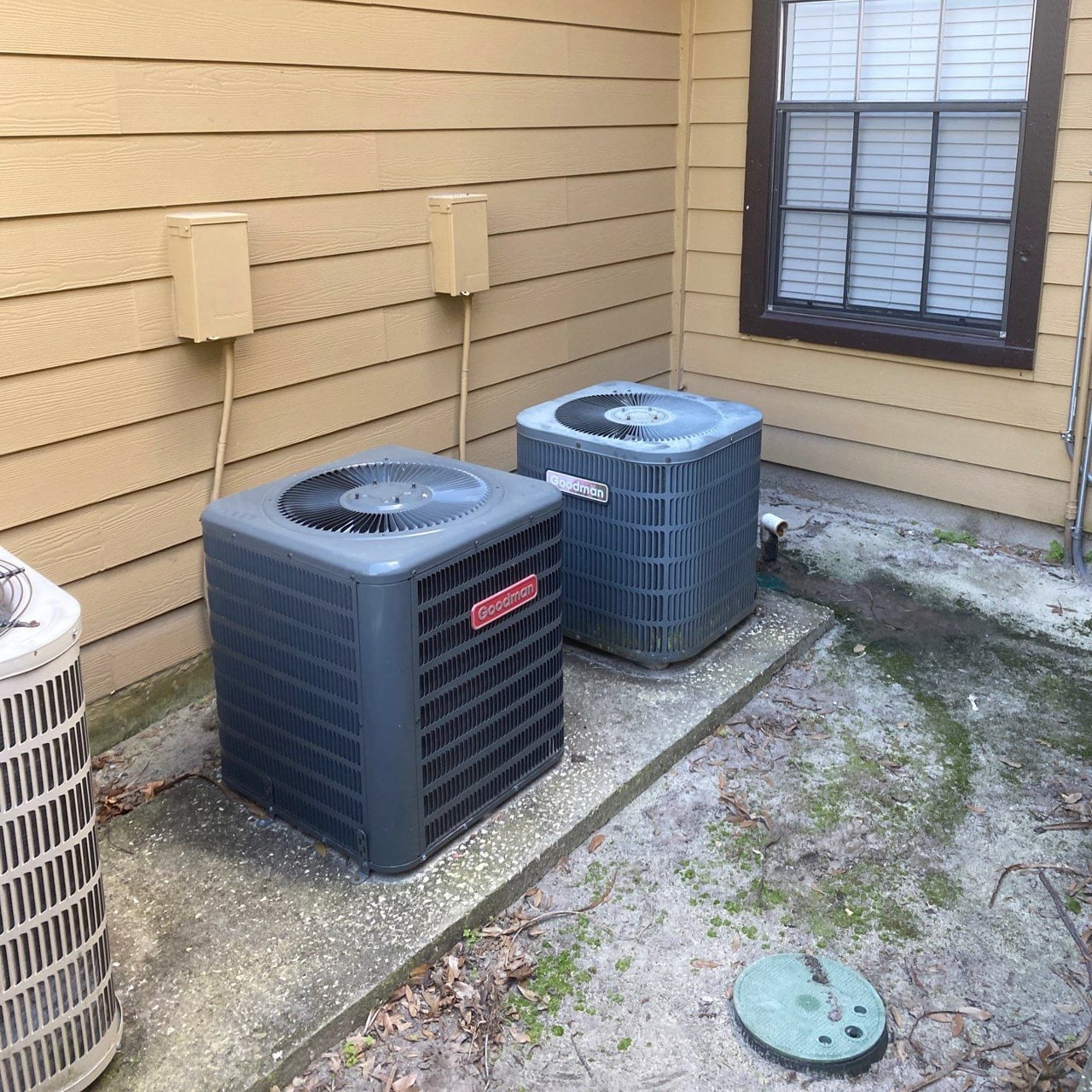
You’re lying in bed at three in the morning, listening to your air conditioner struggle. Again. The unit that used to purr quietly is now clanking, wheezing, and making sounds that definitely weren’t in the owner’s manual.
Your neighbor just replaced their AC after twelve years. Your coworker’s system lasted eighteen. Your mother-in-law swears her unit has been running strong for twenty-five years—though you suspect she’s exaggerating.
So how long should an AC unit really last?
The truth is more complicated than the simple answer you’re hoping for. Your air conditioning system’s lifespan depends on dozens of factors, from the blazing Central Florida climate to how often you change your filter. But here’s what every homeowner needs to know: understanding your AC’s expected lifespan isn’t just about planning for future expenses—it’s about recognizing when repairs stop making sense and replacement becomes the smarter financial choice.
Most homeowners wait too long to replace their aging air conditioners. They throw good money after bad, paying for repair after repair while their energy bills skyrocket and their comfort suffers. They convince themselves that one more fix will solve everything, not realizing their system crossed the point of no return months ago.
But smart homeowners know the warning signs. They understand that air conditioners don’t die suddenly—they decline gradually, giving you plenty of advance notice if you know what to look for.
Your AC system is probably one of the most expensive appliances in your home. It works harder than almost any other equipment, running thousands of hours every year in our demanding climate. Like your car, your AC has a finite lifespan, and understanding that lifespan helps you make informed decisions about repairs, maintenance, and replacement timing.
The question isn’t just how long AC units last—it’s how long YOUR specific unit should last given your home, your habits, and your local conditions. Because in Central Florida, air conditioners face challenges that systems in other climates never experience.
Your AC works year-round here. While homeowners in other parts of the country get seasonal breaks, your system runs nearly continuously from March through November. That constant operation affects longevity in ways most lifespan estimates don’t account for.
But here’s the encouraging news: when you understand what affects your AC’s lifespan and recognize the signs of aging, you gain control over one of your home’s biggest expenses. You can extend your system’s life through proper care, and you can time replacement to avoid emergency situations that force expensive, rushed decisions.
Let’s cut through the confusion and give you the real answers about air conditioner lifespans, what threatens your system’s durability, and how to recognize when replacement makes more sense than continued repairs.
Average AC Lifespan: What You Can Realistically Expect
How long does a residential HVAC system last? The standard answer you’ll hear from most sources is fifteen to twenty years. But that’s like saying cars last ten years—technically accurate for some vehicles while being completely wrong for others.
In Central Florida, the reality is more nuanced and, frankly, more challenging than national averages suggest.
The Central Florida Reality Check
How long should an AC unit last in Florida? Your system faces conditions that would challenge equipment anywhere in the country. Relentless heat, punishing humidity, salt air near the coast, and near-constant operation create a perfect storm for accelerated wear.
Most well-maintained AC systems in our climate last between twelve to eighteen years. That’s shorter than the national average, but it reflects the reality of our demanding environment. Your AC doesn’t get the seasonal rest that systems in other climates enjoy.
During the summer months, your system might run twelve to sixteen hours daily. That’s more operating time in one Florida summer than some northern systems experience in three years. The constant cycling takes a toll on components, from compressors to fan motors to electrical connections.
Quality Makes the Difference
Not all air conditioners are created equal. Budget systems installed with minimal attention to detail might struggle to reach ten years in our climate. Premium systems properly installed and maintained can exceed twenty years of reliable service.
The initial quality of your system—both equipment and installation—sets the foundation for its entire lifespan. Cheap equipment installed by the lowest bidder rarely delivers long-term value, while quality systems professionally installed provide decades of reliable comfort.
System Type Variations
Different AC system types have different typical lifespans. Central air systems with proper ductwork generally last longer than window units or portable systems. Ductless mini-split systems often provide fifteen to twenty years of service when properly maintained.
Heat pump systems, which provide both heating and cooling, typically last twelve to fifteen years in our climate. The year-round operation puts additional stress on components compared to cooling-only systems.
Maintenance Impact on Lifespan
The average lifespan of air conditioning systems varies dramatically based on maintenance quality. Neglected systems might fail within eight to ten years, while properly maintained units can provide reliable service well beyond their expected lifespan.
Regular maintenance isn’t just about preventing breakdowns—it’s about maximizing your investment. Professional tune-ups extend equipment life, improve efficiency, and help identify problems before they become expensive failures.
Age vs. Performance Reality
Just because your AC reaches its expected lifespan doesn’t mean it stops working immediately. Many systems continue operating beyond their average lifespan, but their performance and efficiency decline significantly.
An eighteen-year-old system might still cool your home, but it’s probably using thirty to fifty percent more energy than when it was new. Those efficiency losses add hundreds of dollars annually to your energy costs while providing inferior comfort.
Seasonal Considerations
How often should you replace air conditioning units? The timing matters as much as the decision itself. Most experienced homeowners plan replacements during shoulder seasons when demand is lower and prices are more competitive.
Waiting for a complete system failure often means replacing during peak season when prices are highest and availability is limited. Emergency replacements force rushed decisions that rarely deliver optimal value.
Installation Quality Impact
Even the best equipment won’t reach its expected lifespan if installed improperly. Poor installation practices like incorrect refrigerant charging, inadequate electrical connections, or improperly sized ductwork can cut system life in half.
Professional installation by a licensed and insured heating and cooling company protects your investment and ensures your system reaches its full lifespan potential. The modest additional cost of quality installation pays dividends through improved longevity and performance.
Factors That Affect Your AC’s Durability
Your air conditioner’s lifespan isn’t predetermined—it’s shaped by a complex interplay of environmental conditions, usage patterns, and maintenance practices. Understanding these factors empowers you to maximize your system’s life and recognize when decline is inevitable.
Climate and Environmental Stresses
Central Florida’s subtropical climate creates unique challenges for air conditioning equipment. The combination of intense heat, high humidity, and seasonal weather patterns puts extraordinary demands on your system.
Humidity is particularly destructive. While your AC removes moisture from indoor air, the constant battle against outdoor humidity stresses components like coils, drainage systems, and ductwork. Salt air near coastal areas accelerates corrosion of metal components, shortening system life.
Dust and pollen, abundant in our region, clog filters more quickly and coat internal components. Poor air filtration allows contaminants to build up on coils and fans, reducing efficiency and accelerating wear.
Storm damage from hurricanes and severe weather can shorten AC lifespans through power surges, debris damage, or flooding. Even minor electrical events stress sensitive components and contribute to premature failure.
Usage Patterns and Demand
How you use your air conditioning system directly impacts its longevity. Homes that maintain extremely low temperatures stress systems more than those using moderate settings. Every degree lower increases runtime and component wear.
Frequent temperature adjustments force your system to work harder than steady settings. Constantly raising and lowering your thermostat creates more start-up cycles, which are harder on equipment than continuous operation at steady settings.
Unoccupied homes that shut down AC systems completely during vacations face different stresses. Rapid temperature swings and moisture buildup during shutdown periods can damage components and promote mold growth.
Home Characteristics and Compatibility
Your home’s characteristics significantly impact AC system longevity. Poor insulation forces systems to work harder and run longer to maintain comfortable temperatures. Inadequate insulation essentially shortens equipment life by increasing operating demands.
Ductwork condition affects system stress levels. Leaky ducts force your AC to work harder to deliver conditioned air, while undersized ducts create pressure problems that strain components.
Windows and doors that don’t seal properly allow conditioned air to escape and outdoor air to infiltrate. Your AC compensates by running longer and harder, accelerating component wear.
Maintenance Quality and Consistency
Regular professional maintenance is the single most controllable factor affecting AC lifespan. Systems receiving consistent, quality maintenance regularly exceed their expected lifespans, while neglected systems often fail prematurely.
Filter changes seem simple, but they dramatically impact system health. Dirty filters restrict airflow, forcing fans to work harder and allowing contaminants to bypass filtration. Clean filters improve efficiency and protect internal components.
Coil cleaning maintains heat transfer efficiency and prevents corrosion. Dirty coils force compressors to work harder while reducing cooling capacity. Annual professional cleaning keeps coils functioning optimally.
Refrigerant levels must remain within manufacturer specifications. Low refrigerant forces compressors to work harder while providing less cooling. Overcharging creates different but equally damaging problems.
Installation Quality Foundation
Your system’s installation quality sets the stage for its entire operational life. Proper sizing ensures your AC can handle cooling loads without excessive strain. Oversized systems cycle frequently, while undersized systems run continuously.
Electrical connections must meet code requirements and manufacturer specifications. Poor electrical work creates resistance that generates heat and accelerates component failure. Proper wiring ensures reliable, safe operation throughout the system’s life.
Refrigerant charging during installation affects long-term performance. Incorrect charging stresses compressors and reduces efficiency from day one. Professional installation includes precise charging based on manufacturer specifications.
Indoor Air Quality Factors
Poor indoor air quality shortens AC system life through contamination and increased filtration demands. Homes with pets, smokers, or excessive dust require more frequent maintenance and experience accelerated component wear.
Cooking excessively with grease, cleaning chemicals, and other household pollutants can corrode components and clog filters more quickly. While normal household activities don’t dramatically shorten AC life, extreme conditions require adjusted maintenance schedules.
Humidity control affects more than comfort—it protects your AC system. Excessive indoor humidity promotes mold growth in ductwork and on components, while insufficient humidity can dry out seals and gaskets.
Technology and Equipment Evolution
Older AC systems built with different refrigerants, manufacturing standards, and efficiency requirements don’t match modern equipment longevity. Systems installed twenty years ago used different technologies that may not be repairable with current parts availability.
Modern equipment includes protective features like variable-speed motors, advanced diagnostics, and improved materials that extend operational life. These technological improvements help newer systems last longer despite challenging operating conditions.
Professional Service Relationships
Consistent service from qualified technicians helps identify problems early and maintain systems properly. Technicians familiar with your specific equipment can spot developing issues and recommend preventive measures.
Emergency-only service relationships often miss opportunities for preventive maintenance that extend system life. Regular service partnerships provide continuity and proactive care that maximizes equipment longevity.
Signs Your AC is Aging: Recognizing the Warning Signals
Your air conditioner doesn’t fail overnight. Like any complex mechanical system, it provides warning signs long before complete breakdown. Recognizing these early indicators helps you plan replacement timing rather than facing emergencies.
Smart homeowners learn to read their AC systems like mechanics read car engines—listening for changes, watching for performance shifts, and monitoring efficiency trends that signal declining health.
Performance Degradation Patterns
The most obvious sign of aging is declining cooling performance. Your system used to cool your home quickly and maintain comfortable temperatures effortlessly. Now it struggles during hot afternoons, runs constantly, or can’t quite reach your thermostat setting.
Temperature inconsistencies between rooms indicate system decline. Aging equipment loses the capacity to distribute cooling evenly, creating hot spots and cold zones that weren’t present when the system was newer.
Longer cooling cycles suggest your AC is working harder to achieve the same results. What once took thirty minutes now requires an hour or more. This extended runtime not only signals declining efficiency but also accelerates further wear through increased operation.
Humidity control problems emerge as systems age. Your AC should remove moisture while cooling, but aging equipment often struggles with humidity removal. Persistent indoor moisture, despite adequate cooling, indicates declining system performance.
Escalating Energy Consumption
Rising energy bills without corresponding increases in usage typically signal declining AC efficiency. As internal components wear, your system requires more electricity to deliver the same cooling output.
Comparing year-over-year energy costs reveals efficiency trends. Small annual increases might reflect rate changes, but significant jumps often indicate equipment decline. Track your cooling costs per square foot to identify concerning trends.
Peak demand charges on utility bills can spike when aging AC systems draw more power during startup or struggle to maintain temperatures. These demand spikes add significant costs beyond regular energy consumption.
Physical Component Deterioration
Outdoor unit deterioration provides visible evidence of system aging. Refrigerant coils showing corrosion, cabinet damage, or refrigerant line problems indicate advancing age and potential reliability issues.
Indoor components show aging through dust accumulation that resists cleaning, unusual odors during operation, or visible wear on accessible parts like fan blades or housing components.
Ductwork problems often develop as systems age. Connections loosen, insulation deteriorates, and seals fail. These problems reduce system efficiency and create new stress points on aging equipment.
Operational Sound Changes
New air conditioners operate relatively quietly with consistent sound patterns. Aging systems develop new noises, change existing sound characteristics, or become noticeably louder during operation.
Grinding or scraping sounds indicate bearing wear or component contact problems. These mechanical sounds suggest internal wear that typically worsens over time until components fail completely.
Electrical buzzing or crackling suggests wiring problems, capacitor issues, or other electrical component degradation. Electrical problems in aging systems pose safety concerns and often signal broader system decline.
Maintenance and Repair Frequency
Increasing repair frequency is a classic sign of system aging. Components that never required attention begin failing regularly. Repair intervals shorten from annual to seasonal to monthly occurrences.
Repair costs escalating beyond reasonable proportions indicate system decline. When repair expenses approach or exceed monthly replacement payments, continued repairs rarely make financial sense.
Parts availability problems suggest your system has aged beyond practical support. Obsolete components, discontinued parts, or extended lead times for repairs indicate your system has reached its practical service life.
Refrigerant and Chemical Issues
Refrigerant leaks become more common as systems age and seals deteriorate. While small leaks can be repaired, frequent refrigerant additions indicate system-wide seal problems that worsen over time.
Older systems using discontinued refrigerants face supply and cost challenges. R-22 refrigerant, common in older systems, is expensive and increasingly difficult to source for repairs.
Control System Problems
Thermostat communication problems often develop as systems age. Inconsistent response to thermostat commands, delayed startup, or failure to maintain set temperatures suggest control system deterioration.
Safety system activations become more frequent in aging equipment. High-pressure cutouts, thermal overloads, and other protective devices trigger more often as components stress beyond normal operating parameters.
Efficiency Testing Results
Professional efficiency testing reveals declining performance that might not be obvious during normal operation. Annual efficiency measurements track your system’s health and predict future performance trends.
Airflow measurements often decline as systems age and components wear. Reduced airflow stresses remaining components and reduces cooling capacity even when other systems function properly.
Signs You Need HVAC Replacement Near Me
Multiple simultaneous symptoms typically indicate a comprehensive system decline rather than isolated component problems. When several warning signs appear together, replacement often makes more sense than extensive repairs.
Age combined with declining performance creates the classic replacement scenario. A fifteen-year-old system showing multiple warning signs has likely reached its practical service life regardless of its theoretical lifespan potential.
Replacement Considerations: Making Smart Timing Decisions
Deciding when to replace your aging air conditioner involves more than recognizing warning signs. Smart homeowners balance current performance, future reliability, financial considerations, and comfort priorities to make timing decisions that optimize value and minimize disruption.
The goal isn’t replacing at the first sign of decline—it’s timing replacement to avoid emergencies while maximizing your current system’s remaining value.
Financial Analysis Framework
The classic replacement decision comes down to repair costs versus replacement value. When annual repair expenses approach or exceed the cost of replacement financing, continued repairs rarely make financial sense.
Consider accumulated repair costs over recent years, not just current repair estimates. A system requiring multiple repairs annually has crossed into replacement territory regardless of individual repair costs.
Energy cost increases from declining efficiency affect replacement timing. Calculate monthly energy cost increases from reduced efficiency and compare those ongoing expenses to replacement financing costs. Often, new system savings offset replacement payments.
Reliability and Comfort Priorities
Comfort consistency becomes increasingly important as systems age. If your current system can’t maintain comfortable temperatures during peak demand periods, replacement timing accelerates regardless of other factors.
Reliability concerns affect replacement decisions differently for different homeowners. Families with elderly members, medical equipment, or other special needs might prioritize reliability over pure financial analysis.
Vacation home owners face different reliability calculations. Systems that might be acceptable for daily use become problematic when failures could go undetected for extended periods.
Technology and Efficiency Improvements
Modern air conditioning systems offer substantial efficiency improvements over equipment installed even ten years ago. New systems typically provide thirty to fifty percent better efficiency than older equipment.
Smart technology integration in modern systems provides convenience and efficiency benefits unavailable in older equipment. Programmable thermostats, remote monitoring, and automated optimization features improve both comfort and operating costs.
Refrigerant technology improvements mean new systems use environmentally friendly refrigerants with better performance characteristics. Older systems using obsolete refrigerants face supply challenges and higher operating costs.
Installation Timing Strategies
Seasonal replacement timing affects both cost and convenience. Spring and fall installations typically cost less than peak summer replacements while providing better contractor availability and less rushed installations.
Planning replacement before complete system failure provides time for research, competitive quotes, and optimal timing. Emergency replacements force quick decisions that rarely optimize value or features.
System Integration Opportunities
Replacement timing might coordinate with other home improvements for better integration and value. Ductwork improvements, insulation upgrades, or electrical panel replacements might make sense during AC replacement projects.
Indoor air quality improvements integrate well with system replacement. Whole-home dehumidification, advanced filtration, or UV sterilization systems add value when installed during replacement projects.
Professional Consultation Value
Experienced air conditioning companies provide a valuable perspective on replacement timing. Professional assessments consider factors beyond obvious symptoms to recommend optimal replacement timing.
Multiple professional opinions help validate replacement decisions and identify alternatives you might not consider. Different contractors might propose different solutions based on their experience and specialties.
Warranty and Service Considerations
New system warranties provide peace of mind unavailable with aging equipment. Comprehensive warranties protect your investment while ensuring reliable service support throughout the warranty period.
Service relationships with air conditioner repair companies often influence replacement timing. Contractors familiar with your system provide valuable insight about repair costs versus replacement benefits.
How long does a new HVAC system last? Modern equipment properly installed and maintained typically provides fifteen to twenty years of reliable service, even in challenging Central Florida conditions. This longevity helps justify replacement investments and provides predictable comfort for years to come.
Making the Final Decision
Replacement decisions rarely have perfect timing, but informed decisions minimize regret and maximize value. Consider your specific circumstances, priorities, and financial situation rather than following generic replacement guidelines.
Document your decision-making process and factors considered. This information helps with future decisions and provides a valuable perspective when evaluating your choice’s success over time.
Future-Proofing Your Investment
Choose replacement systems sized and designed for your home’s current and anticipated future needs. Proper sizing and quality installation protect your investment while ensuring optimal performance throughout the system’s life.
Consider financing options that make higher-efficiency systems affordable. Monthly payment differences between basic and premium systems are often modest, while efficiency and comfort benefits are substantial.
Work with established air conditioning companies with track records of quality installation and ongoing service. Your relationship with your contractor affects your system’s entire operational life through maintenance quality and service availability.
Taking Control of Your Comfort Future
Understanding your air conditioner’s lifespan empowers you to make informed decisions about maintenance, repairs, and replacement. Rather than waiting for emergency failures, you can plan for optimal comfort and value.
Your AC system represents a significant investment in your home’s comfort and value. Protecting that investment through proper maintenance while planning strategic replacement timing ensures reliable comfort and optimal financial returns.
Ready to evaluate your current system’s condition and plan for the future? Blue Air Heating and Cooling provides honest assessments, quality maintenance, and expert replacement services for Central Florida homeowners. Our experienced technicians help you make informed decisions about your air conditioning system’s future. Call us at (407) 300-4185 to schedule a comprehensive system evaluation and discover how to maximize your comfort investment.
Latest Posts


Request Service
Free estimates on new equipment installation
By submitting, you agree to receive text message communication from us per our “Terms and Conditions and/or Privacy Policy”, which state that we will never share your personal information or spam you
By submitting this form and signing up for texts, you consent to receive messages from Blue Air Heating and Cooling at the provided number, including messages sent via auto-dialer. Consent is not a condition of purchase. Msg & data rates may apply. Msg frequency varies. Unsubscribe at any time by replying STOP or clicking the unsubscribe link (where available). For help, reply HELP. Information will not be shared with third parties for marketing or promotional purposes. Privacy Policy & Terms & Conditions.
At Blue Air Heating and Cooling, we believe that comfort should never be compromised. Our dedicated team is committed to providing you with exceptional service, ensuring your home remains a sanctuary regardless of the season. With our extensive experience and expertise, we tackle every HVAC challenge with precision and care. Whether it's a routine maintenance check or an emergency repair, we are just a call away, ready to restore your comfort. Experience the difference with Blue Air – where your satisfaction is our priority.
